
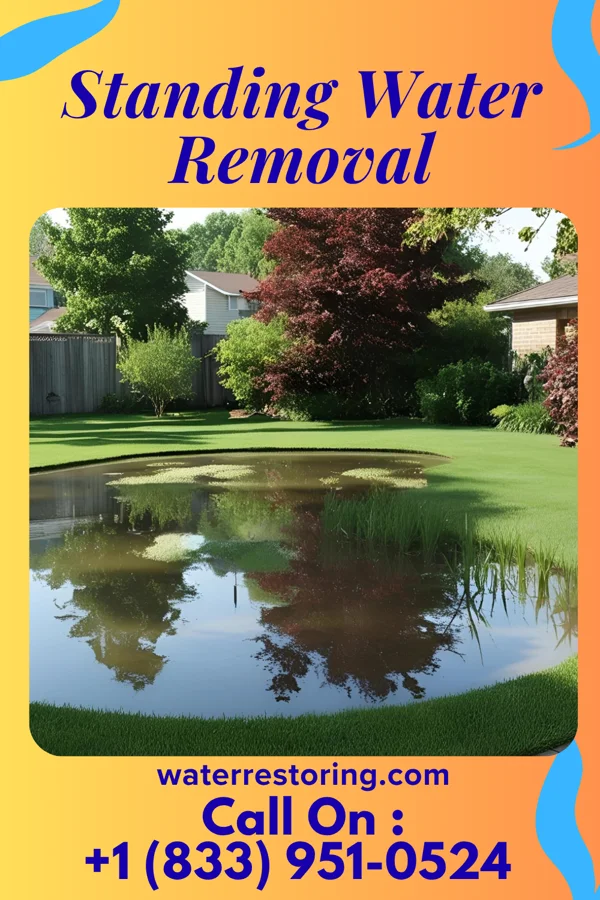
Why Carthage Standing Water Demands Fast Removal
Most water damage emergencies in Carthage start with In Carthage, North Carolina, water damage often results from sudden plumbing failures, such as burst pipes or leaking water heaters, especially in older homes with outdated infrastructure. Additionally, heavy rainfall during the spring and summer months can lead to localized flooding in low-lying areas near Whispering Pines and Vass.. A close second is Secondary causes include leaking roofs, especially in homes with asphalt shingles that degrade over time, and poor drainage around properties in rural areas near Taylortown. Improperly maintained septic systems can also contribute to water infiltration in the surrounding soil.. From the second water touches the property, every minute changes what gets saved and what gets ripped out.
Carthage experiences a humid subtropical climate with frequent thunderstorms and heavy rainfall, increasing the risk of water intrusion. The region's rural nature and proximity to natural water sources like the Neuse River can lead to flash flooding during severe weather events.
Most standing water removal calls in Carthage come from In Carthage, North Carolina, water damage often results from sudden plumbing failures, such as burst pipes or leaking water heaters, especially in older homes with outdated infrastructure. Additionally, heavy rainfall during the spring and summer months can lead to localized flooding in low-lying areas near Whispering Pines and Vass.. Running a close second is Secondary causes include leaking roofs, especially in homes with asphalt shingles that degrade over time, and poor drainage around properties in rural areas near Taylortown. Improperly maintained septic systems can also contribute to water infiltration in the surrounding soil.. Local mold risk: Mold growth can develop quickly in Carthage's humid climate, especially in homes with poor ventilation or standing water. Prompt action is critical to prevent health risks and structural damage in the region's older, often poorly insulated buildings.